“I cannot change the world but maybe I can change your world”
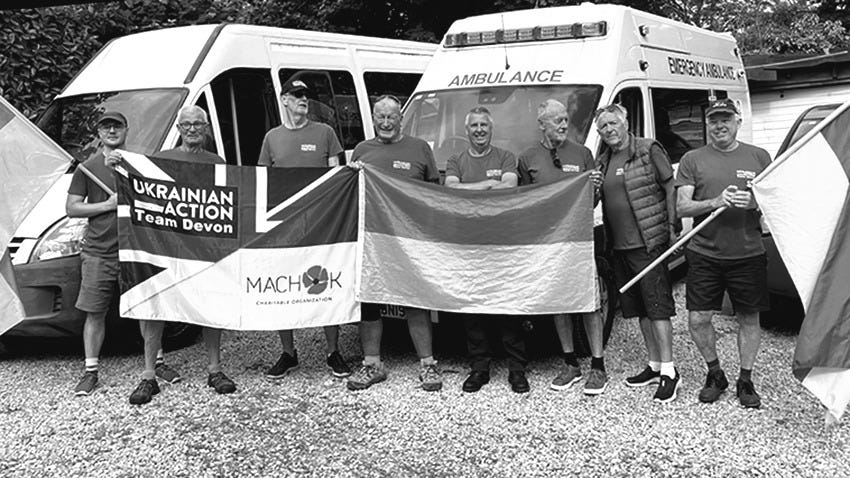
This sentiment was expressed by Adam Steward of Ukranian Action Team Devon … a small but hugely significant community group based in my home village of Stoke Gabriel, near Totnes in Devon. Ukranian Action’s core mission is to deliver medical and humanitarian aid in support of all those impacted by the war. And so far they have also delivered well over 500 trucks, ambulances, mini-buses all driven by volunteers like me and which will then end up helping to evacuate the elderly and the wounded from areas near the front line.
What difference can I make?
When all the world’s problems seem insurmountable, our own need to make a difference can sometimes feel irrelevant. The changes in the geo-political environment and the climate emergency all feel so huge, we’re left with a forever nagging question “How can I respond?” “What difference, if any, can we make”?
This missive is written in the freight lounge of the Dover to Calais Ferry. I have joined the 17th convoy of six vehicles that Ukrainian Action Team Devon have taken to Ukraine. Some of the vehicles will be handed over in Poland, three we will drive on to Lviv and one will continue on to the Kharkiv area. Adam and I will share the driving for this one. All in all, ten days on the road.
Grief in a Warzone
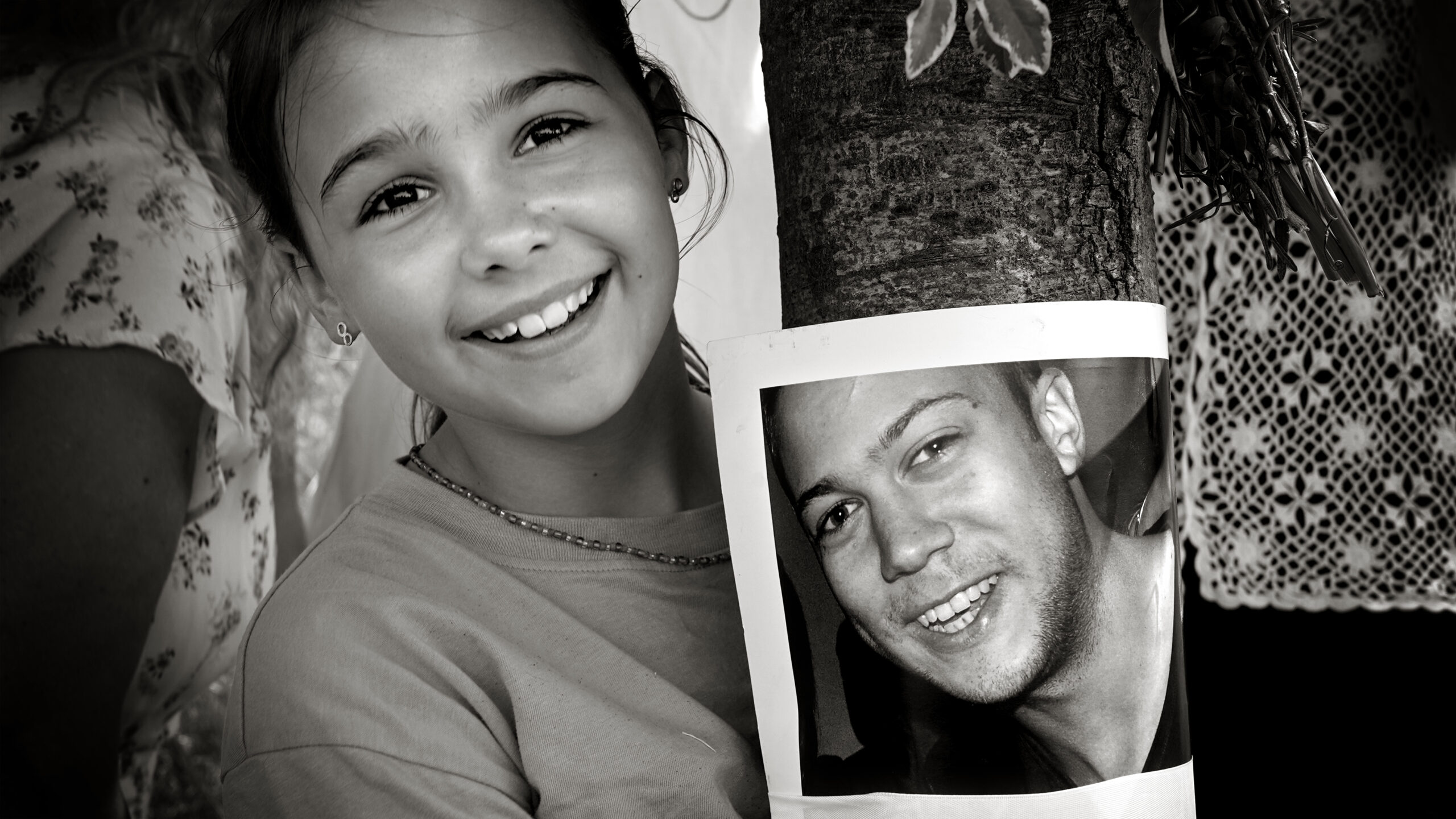
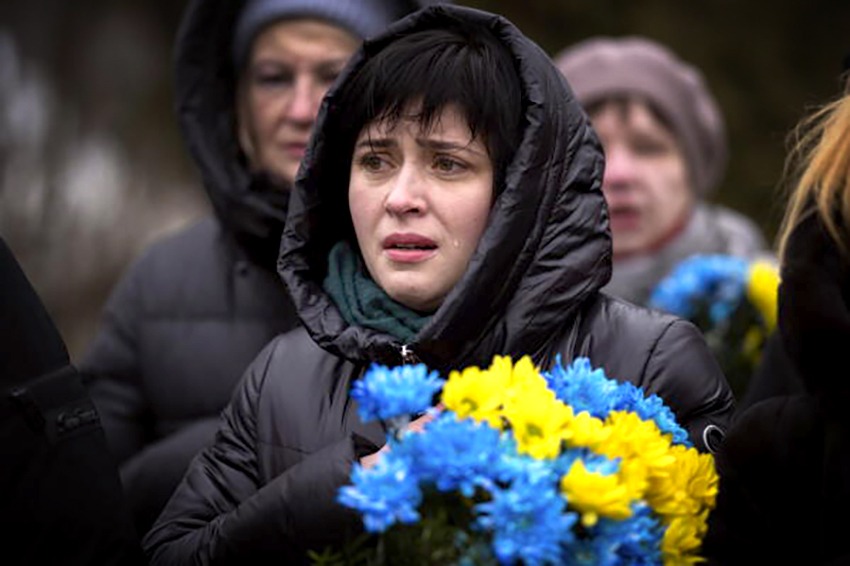
The exact number of Ukrainian soldiers killed in the war remains classified, but estimates range from 55,000 to over 100,000 dead, with some analysts claiming that the real total could be between somewhere between 186,000 and 200,000. If these numbers are huge and unimaginable – the waste of life and the ensuing trauma is magnified by the impact on hundreds of thousands if not millions, husbands and wives, brothers and sister, mothers and fathers and other extended family members, all of whom will suffer a ferocious grief. I’m reminded of the concern voiced by Dr Kathryn Mannix in our film BEYOND THE MASK about a “bereavement epidemic” hiding in plain sight.
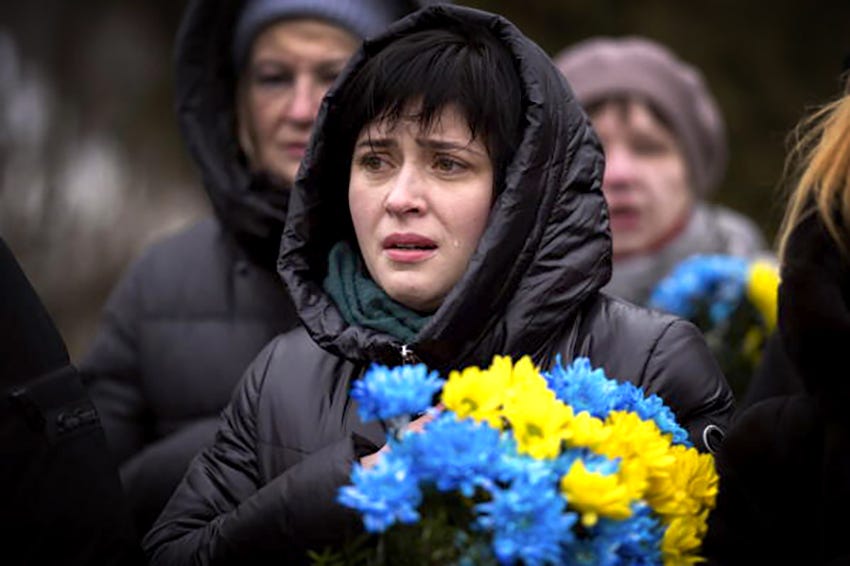
So I have another purpose. And another question. How is grief and bereavement different for those bereaved in war compared to ours whose son died not from conflict, hatred or aggression (or even from the aforesaid climate catastrophe) but from a purely accidental though devastating road accident. Is ours a unique, singular grief, unexpected and un-dreaded and presenting in a culture that really doesn’t have a ready language to deal which such a loss (apart from the oft quoted ‘worst loss in the world’)? By comparison, is theirs already part of a collective grief – one that surely hurts as much (maybe more so – we’re not in competition here) – but suffered alongside others in a kind of solidarity and therefore with a more generous empathy?
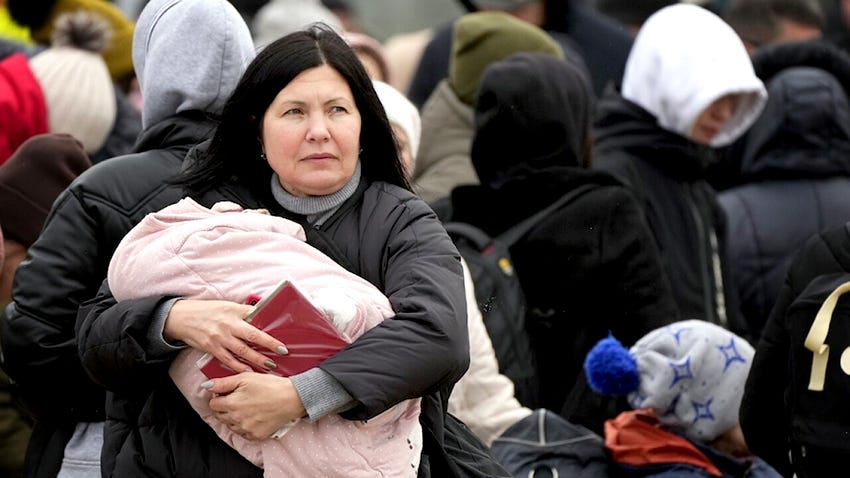
A documentary film project
It began with an idea and has now developed into a film project. How do the varied emotions that grief throws up … that deep sadness and longing, the painful regret, that sense of hopeless and helplessness, alongside the more complicated emotions of guilt, shame, anger, envy and bitterness …. how do they find a place in different contexts of peace and war? And how are the needs of the bereaved met in a society that is already struggling for its very survival? What of the constant anxiety and the difficult conversations between those who have lost loved ones to the war and those whose sons, brothers and fathers are still fighting for their lives. These are key issues that I’m keen to find out…. and to explore in a film I intend to make for The Good Grief Project.
In Ukraine our first stop will be in Lviv to meet with members of the bereavement charity “Families of Fallen Heroes of Lviv Region” (Сім’ї загиблих Героїв Львівщини) along with a visit to Lychakivski Cemetery and the Field of Mars, a cemetery dating back to the early 19th century and subsequently dedicated to Soviet soldiers who died in battles against the Nazis during World War 2 but now used to bury and honour Ukranian soldiers. The remains of centuries of European conflicts that still defy our ability to understand, to learn and to change.
What is grief?
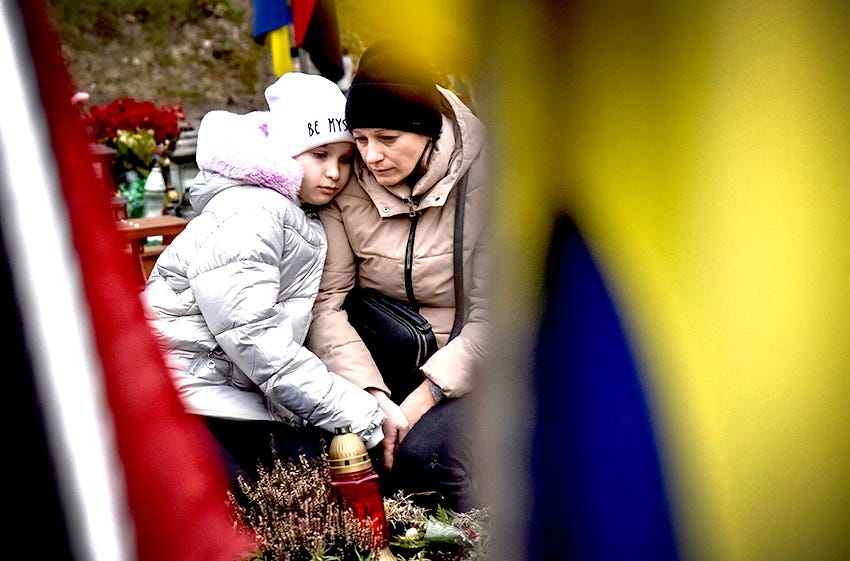
A friend on this journey to Ukraine asked a very good question … what is grief? I had to think a bit before failing to come up with a satisfactory answer. Grief is so many different things to different people. But I guess that at root it’s an attempt to repair a loss, to find a way to accommodate that loss, something which in our experience has been about trying out various creative projects to ‘fill the void’ left by our son Joshua’s absence. That’s what happens on a personal level. How does it work in a more collective way? Given that grief and grievance have the same etymological roots I wondering if the grief experienced by Ukrainian families can lead to the for justice that a grievance implies.
Is that what our film could be about? All films need to be more than their immediate subject matter. Beyond the significance of the individual bereavements, we could discover something else about the human condition that responds to the needs of those left in the aftermath of this gruesome war.
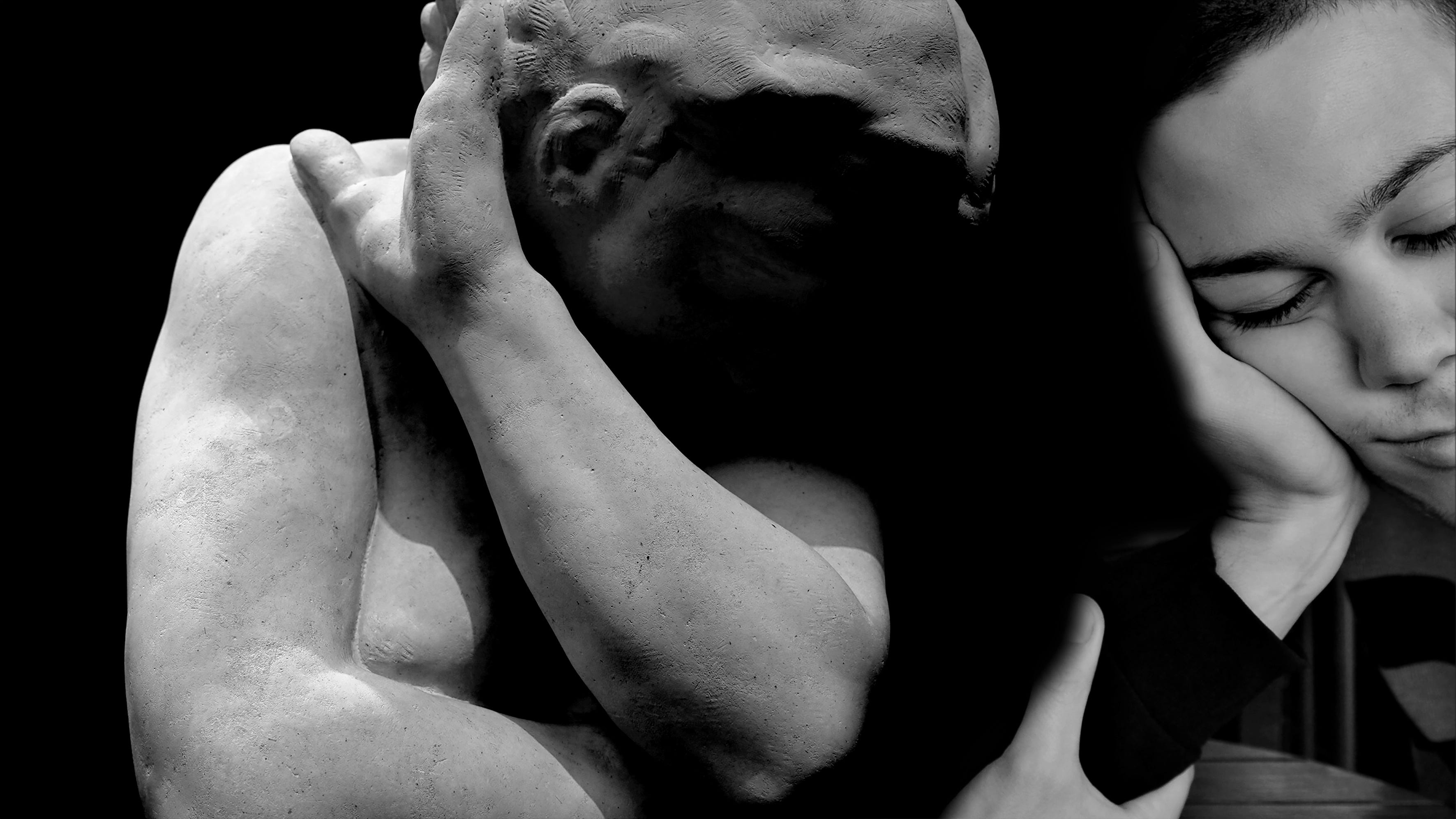
I don’t suppose and I’m not looking for it to be an earth-shattering piece of work …. in film making as in our grief journey, we are constantly finding out new things, trying out new identities or being confronted with the unforeseen … sometimes it works sometimes it doesn’t but such ‘experiments’ shouldn’t be seen as failures … for Jane (Josh’s mum), myself and all of us at TGGP, it’s always been about being open to possibility, curiosity and learning from our lived experience. …..it might not change the world but maybe it can change your world.