On the 15th anniversary of our son’s death we reflect on how our grief has changed over the years
Jan 14, 2026
Dear Friends and Supporters,
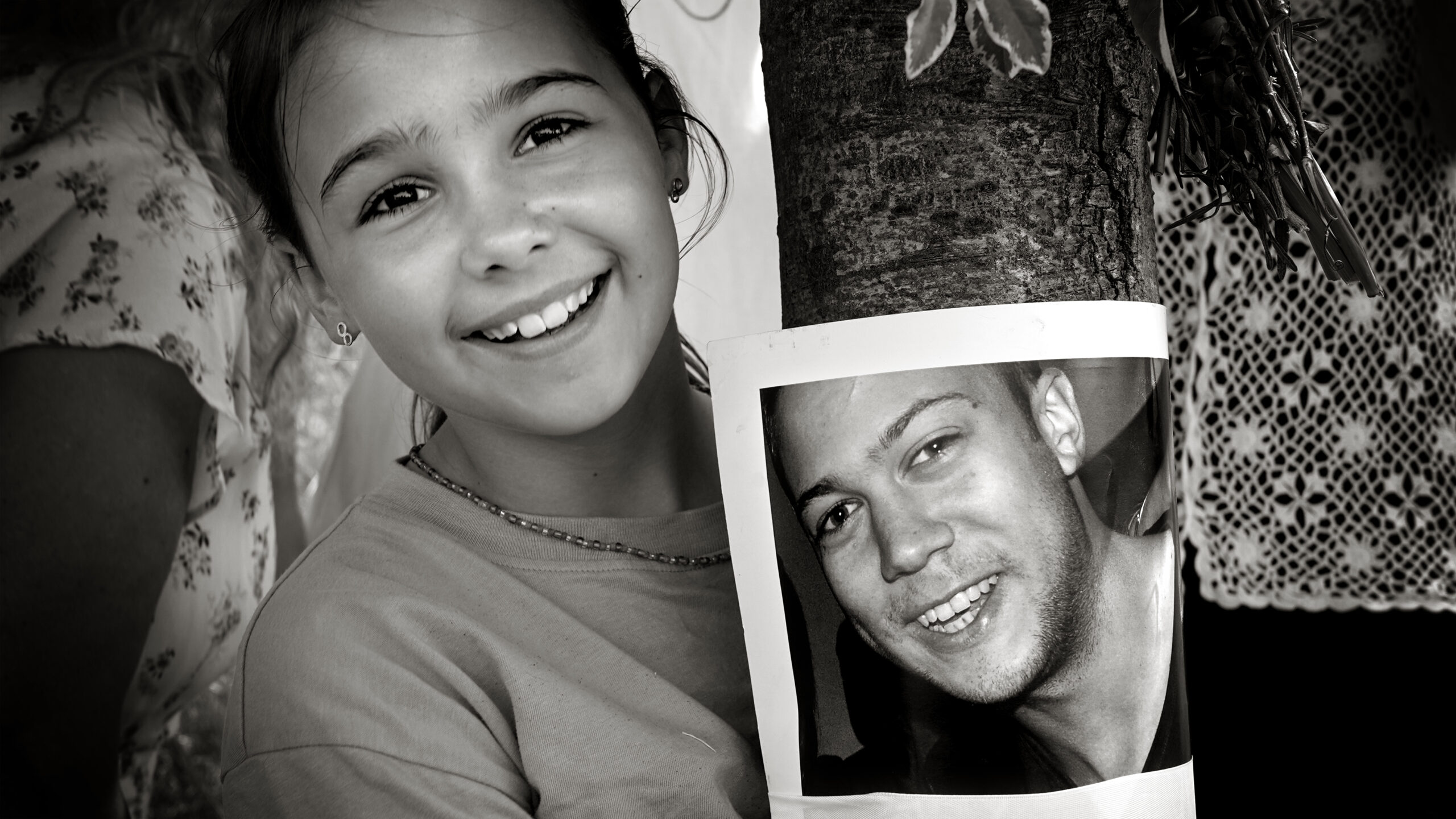
This week we commemorate the 15th anniversary of our son’s death. Joshua died on 16th January 2011 in a road traffic accident whilst on holiday in Vietnam. In a sense you might expect that after 15 years we have got used to the idea of Josh being dead, that it doesn’t bother us so much that he no longer has a life to live. And you know you’d be wrong – any suggestion that we have moved on from, or gotten over his death is way off the mark. That said, grief – our grief – is not a constant. Our feelings and our thoughts about Josh, his death and his life, are in continual flux, changing from day to day, from minute to minute sometimes. They are like the waves that people often talk about – grief comes in waves, ebbing and flowing like the tides, but unlike the tides much less predictable. In general though and as the years have passed, the strength of those feelings – the one time violence of our grief has tailed off and we’ve been able gradually to accommodate it in a way that no longer disturbs the routine of our daily lives.
From this vantage point, we are now able to look back with a little more equanimity, to see how far we have travelled and to find some perspective on what grief now means to us, how we have been changed by grief, and what has motivated that change.
A painful and loving loyalty …
It has taken us a while to connect our grief to a history. Soon after Josh died Jimmy wrote of his “ fear of Joshua’s death becoming more and more commonplace as he takes his place in the shared anonymity of all the worlds dead.” (see Released p. 97).
In those the early days of grief, the intensity of our feelings would have been a sign of how much we loved him, how much we still love him. It felt necessary to own and sustain the pain of our grief as a way of remaining loyal to that love – and a way of dismissing the fear of forgetting him. Our grief for Joshua was unique. To dilute it as part of a universal trajectory from life into death was unthinkable, a devaluation of such intensely personal emotions. Fifteen years later we can accept that our tragedy, our pain and our grief is not that exceptional. Everybody grieves for something or someone at some point in their lives.
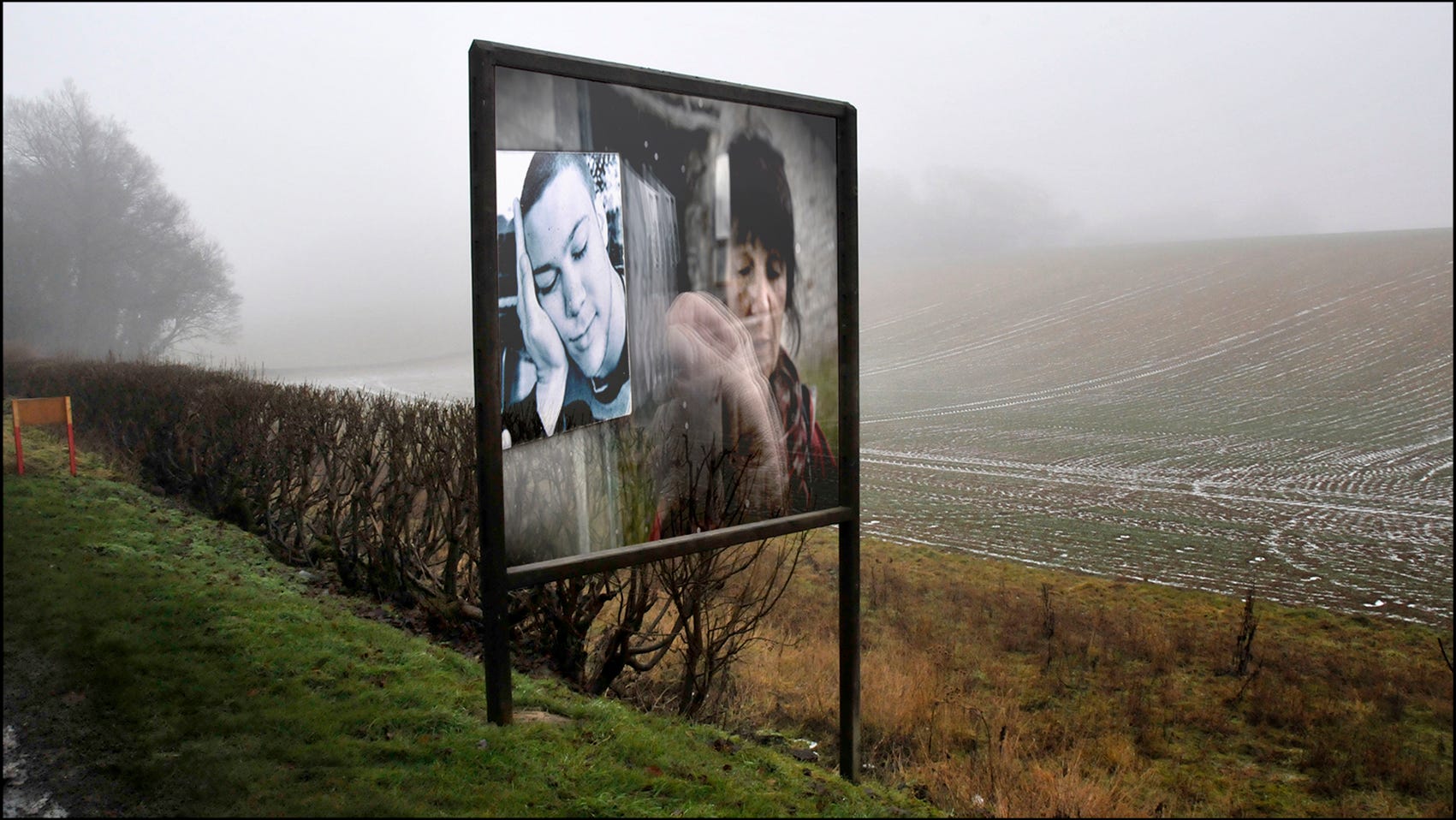
Grief has been our teacher …
If Joshua’s death was an ‘everyday’ death but known explicitly to us, what then, if as bereaved parents we also identify with other losses, other griefs – grievances even that come from injustice, economic deprivation or social and cultural exclusion. What if we dare to connect the circumstance of our individual grief to that of a universal burden, common to all humanity.
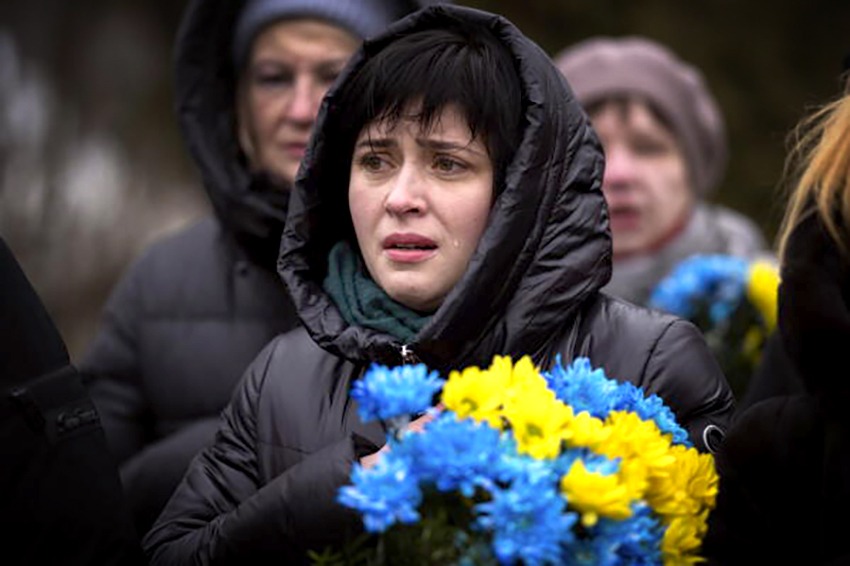
In western society, grief is generally seen as a private matter, its expression confined to more intimate rituals and shielded from public gaze. Is that a good thing? Our own experience is that by sharing our grief and being more open with it, we have not only lessened the burden of our grief, we have also discovered some new wisdoms.
We are grateful and find comfort from knowing that Josh did not experience a brutal or savage death. He didn’t die at another’s hand, starve to death through impoverishment, or become a casualty of war or famine. Yet as we celebrate the 22 years we had with him and what he still means to us, we are conscious of a world that has become increasingly violent and unstable.
What if the ache of our own grief in any way reflects or is a reflection of the hurt of the oppressed?
A refusal to live ‘numb and small’ …
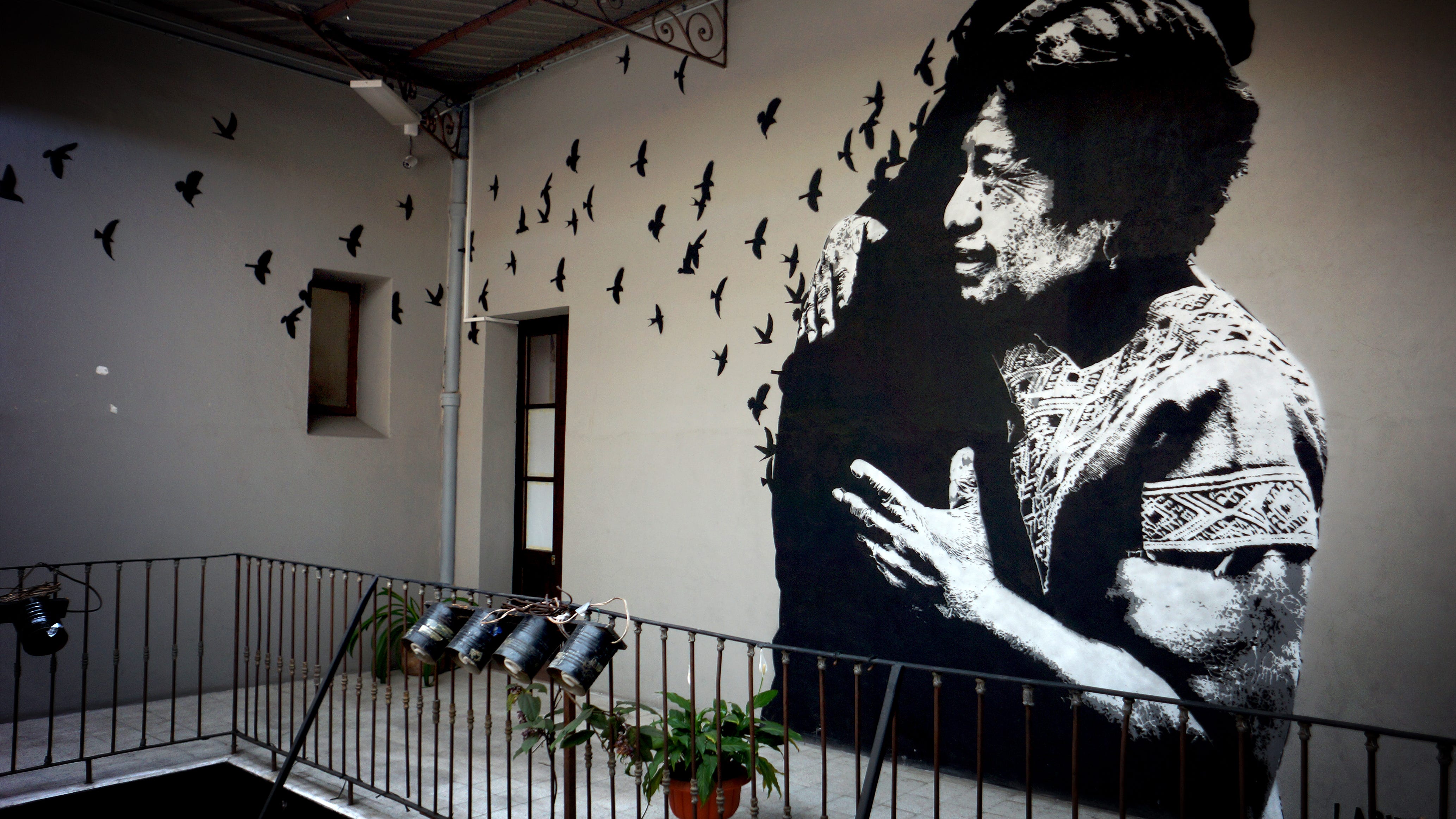
Grief asks us to reevaluate what is important in our lives – it asks us to divert our attention away from comfortable assumptions about a so-called natural order of things and consider that when things get broken (whether on a personal or social level) we will find amazing and truly imaginative ways of healing and repair.
If grief, then, has been our teacher and has opened us up to new levels of empathy and compassion, we can also begin to value it not just as an intentional and creative process, but as a conscious act of resistance – as Francis Weller says “Grief is subversive – it is an act of protest that declares our refusal to live numb and small”
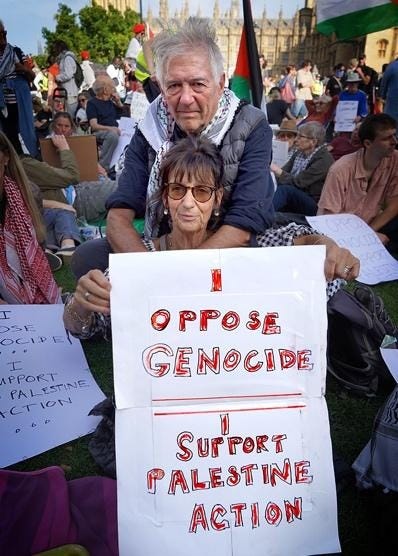
While grief is universal -an inescapable component of the human condition – history will allocate a set of culturally specific yet divergent values to the lives and the deaths of those we could mourn. If the trauma of our son’s death and the grief that followed was on the one hand a private matter, it has also drawn us to an understanding of the way certain idealogical pressures inform how we might grieve for and find empathy with, what the political philosopher Judith Butler has coined the world’s ‘nameless and unknown’ deaths. Our emotional response to those caught up in war and conflict—and to the deaths they cause — are mediated, especially in western media, by the way we receive news of those conflicts. Put bluntly, certain deaths and certain griefs are more worthy than others.
Trans-generational trauma …
Jane’s family history is rooted in the exodus of Jews from Lithuania to the UK in the 1870’s. As one who has a keen interest in rediscovering her own family history (long buried under the weight of antisemitism) and as the mother of a child who has died, she has a heightened sensibility to the way our bereavement is positioned within a historical and cultural context. There is in her family, for instance, a silence and a denial about the trans-generational trauma that amounts not only to a kind of ‘unconscious grief’ but also resonates strongly with the negative emphasis loaded onto the death toll in Gaza. Again simply put, a Palestinian life is worth far less than an Israeli life. There would be no debate about ‘genocide’ if this was not the case.
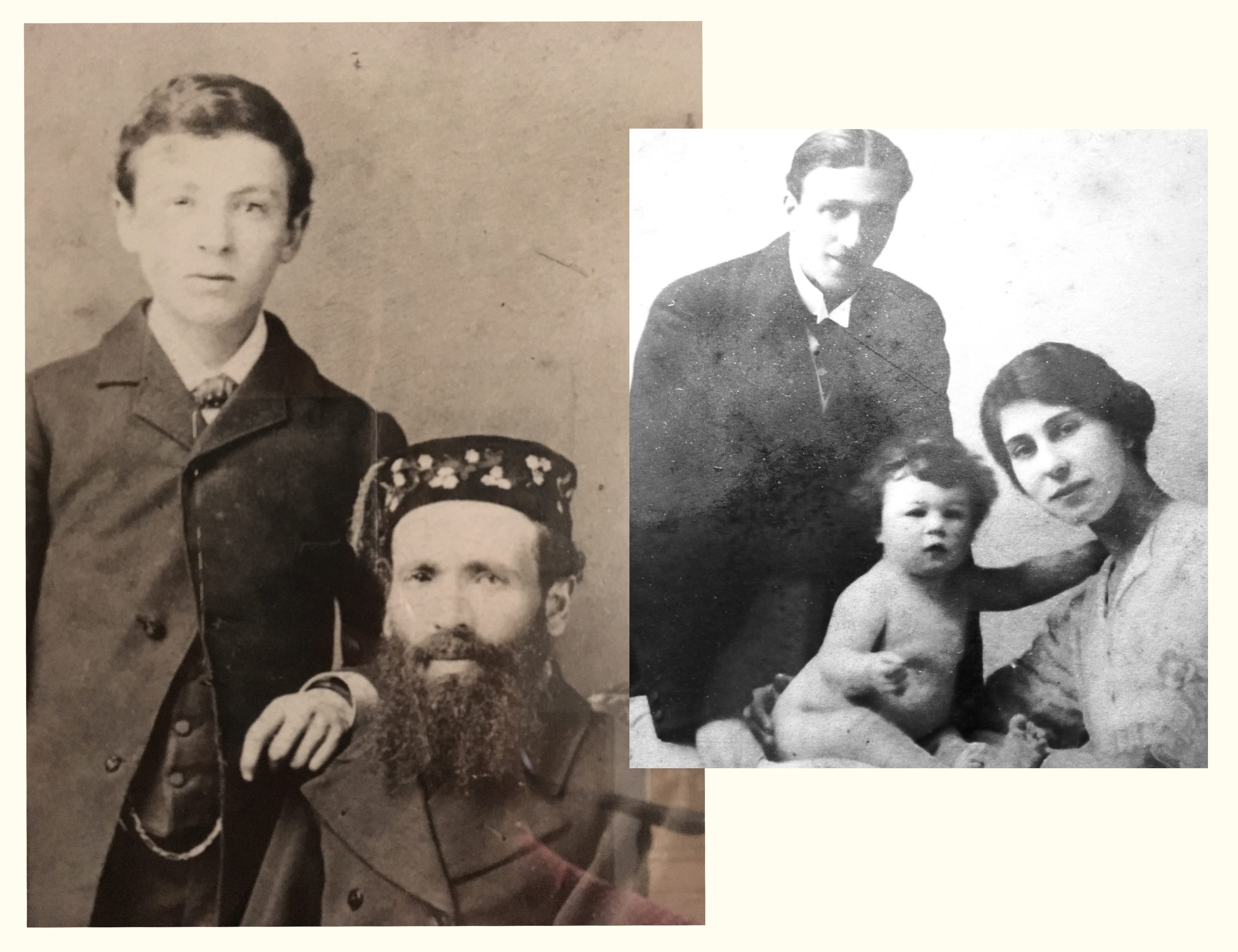
R. Jane’s father Gerry with his father and mother Joseph and Esther (1918)
Trauma, loss, and grief transcend historical boundaries. Sometimes their scale is unimaginable but their burden is eased when situated within a collective grief and aligned with a broader pursuit of justice, otherwise know as grievance.
Solidarity in grief …
On Friday this week we will spend the day thinking about and honouring our son, Joshua. At the age of 22 he died far too soon. His death was an accident, and his loss of life cannot be repaired or rectified. For us there can be no call for justice. At the same time we can also recognise the link between our grief and that of so many other nameless griefs – and we cannot escape a sense that both grief and grievance have been dragged into the political arena in ways that are both divisive and contentious.
As bereaved parents how can we ignore the agony of thousands of grieving families in Gaza or remain unmoved by death of the mother gunned down in Minneapolis for simply being caught up in an immigration raid. If Renee Good was exercising her right to protest, why shouldn’t our grief find expression in similar grievance – by being part of the voice for, and in solidarity with the people of Palestine while at the same time decrying the increasing authoritarian nature of the political landscape.
There are moments, like the anniversary of Joshua’s death, when our grief feels insurmountable – the burden of our grief is still so very real. But fifteen years on we can acknowledge that for most of the time, it is now far less painful, far less acute, due in part, we think to a better understanding of grief in general. We can see that solidarity in grief inevitably leads us to a greater empathy and a more assured connection to the struggle for a just and more equitable world.

Thanks for reading
Jimmy & Jane
We hope that by sharing our story it will help you to accommodate your own grief and that with time it will (like ours) change shape and become something more bearable.
We always appreciate your feedback, so please feel free to share your reflections with us – info@thegoodgriefproject.co.uk
References:
Judith Butler quoted in GRIEF AND GRIEVANCE – Ed: Okwui Enwezor (Phaidon 2020 ISBN 978 1 83866 129 8)
Francis Weller – The Wild Edge of Sorrow. (North Atlantic Books 2015)
Jimmy Edmonds – Released (self published Blurb 2011)
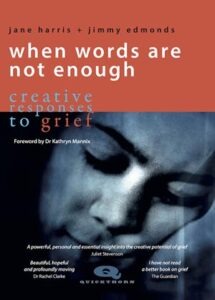
Jane Harris & Jimmy Edmonds – WHEN WORDS ARE NOT ENOUGH – creative responses to grief (QUICKTHORN 2022)